









Masechet Chullin is sponsored by Judi Felber in honor of the Hadran Community. “During my first cycle of Daf Yomi, just as we began Masechet Chullin, my son was injured while serving in the IDF. Throughout those two and a half months of difficulty and uncertainty, my fellow learners never left my side. With profound gratitude to the community that held me, encouraged me, and ensured I could keep up with the Daf during those trying times.”
This week’s learning is sponsored by Sara Averick in loving memory of her mother, Leah Shifrin Averick, לאה בת יהודה לייב חייקל וחיה מאשה. “She infused her many descendants with her love for Torah, Israel and the Jewish people.”
This week’s learning is sponsored by Elana and Daniel Storch in honor of their youngest daughter Arianne Yael’s engagement to Brett Aiken and for a for a refuah shleima for Ilana Malka bat Aviva Tamar and Leah Maritza bat Raizel. “We are thrilled to share besorot tovot with our Hadran Family. We pray that the chuppah will take place בשעה טובה ומוצלחת and they should be zoche to build a בית נאמן בישראל.
This week’s learning is sponsored by Ellen Cherrick in loving memory of her mother, Udy Katz Cherrick, z”l, on her 13th yahrzeit.
Want to dedicate learning? Get started here:

Summary

The Gemara introduces a braita to show the source for the debate between the rabbis and Rabbi Elazar b’Rabbi Shimon in a bird burnt offering. The braita presents three distinct opinions on the biblical term “k’mishpat” regarding a bird burnt offering. The Sages debate whether this term compares it to an animal sin offering or a bird sin offering, detailing the exact procedural laws they share. This very debate serves as the foundation for the conflicting views of the rabbis and Rabbi Elazar b’Rabbi Shimon regarding whether the two simanim must be severed completely.
The Mishna states the age rules for birds for sacrifices: mature turtledoves (torim) are valid while young ones are not, whereas young pigeons (bnei yonah) are valid while mature ones are not. The Gemara defines the exact boundaries of these stages, analyzing the transitional phase known as techilat hatzahov (when the plumage around the neck begins to turn a golden/yellow color), which is disqualified in both species.
Today’s daily daf tools:
Masechet Chullin is sponsored by Judi Felber in honor of the Hadran Community. “During my first cycle of Daf Yomi, just as we began Masechet Chullin, my son was injured while serving in the IDF. Throughout those two and a half months of difficulty and uncertainty, my fellow learners never left my side. With profound gratitude to the community that held me, encouraged me, and ensured I could keep up with the Daf during those trying times.”
This week’s learning is sponsored by Sara Averick in loving memory of her mother, Leah Shifrin Averick, לאה בת יהודה לייב חייקל וחיה מאשה. “She infused her many descendants with her love for Torah, Israel and the Jewish people.”
This week’s learning is sponsored by Elana and Daniel Storch in honor of their youngest daughter Arianne Yael’s engagement to Brett Aiken and for a for a refuah shleima for Ilana Malka bat Aviva Tamar and Leah Maritza bat Raizel. “We are thrilled to share besorot tovot with our Hadran Family. We pray that the chuppah will take place בשעה טובה ומוצלחת and they should be zoche to build a בית נאמן בישראל.
This week’s learning is sponsored by Ellen Cherrick in loving memory of her mother, Udy Katz Cherrick, z”l, on her 13th yahrzeit.
Chullin 22
אוֹחֵז בָּרֹאשׁ וּבַגּוּף וּמַזֶּה, אַף כָּאן אוֹחֵז בְּרֹאשׁ וּבַגּוּף וּמַזֶּה.
after the pinching, the priest holds [oḥez] the head and the body of the bird and sprinkles the blood on the altar, so too here, with regard to the bird burnt offering, he holds the head and the body and sprinkles the blood on the altar.
מַאי קָאָמַר? הָכִי קָאָמַר: מָה לְהַלָּן, כְּשֶׁהוּא אָחוּז הָרֹאשׁ בַּגּוּף מַזֶּה, אַף כָּאן, כְּשֶׁהוּא אָחוּז הָרֹאשׁ בַּגּוּף מַזֶּה.
The Gemara asks: What is he saying? There is no requirement with regard to a bird sin offering that the priest hold both the head and the body while sprinkling the blood. The Gemara answers that this is what he is saying: Just as there, with regard to the bird sin offering, when the head is attached [aḥuz] to the body, the priest sprinkles the blood on the altar, so too here, with regard to the bird burnt offering, when the head is attached to the body, the priest sprinkles the blood on the altar. This is what was cited above in the name of Rabbi Elazar, son of Rabbi Shimon, that one cuts a majority of two simanim in a burnt offering and not the two simanim in their entirety.
אִי מָה לְהַלָּן בְּסִימָן אֶחָד, אַף כָּאן בְּסִימָן אֶחָד? תַּלְמוּד לוֹמַר ״וְהִקְרִיבוֹ״.
The baraita continues: If so, perhaps just as there, in the sin offering, the pinching is performed with the cutting of one siman, so too here, in the burnt offering, the pinching is performed with the cutting of one siman. To counter this, the verse states: “And the priest shall bring it,” meaning that the burnt offering is sacrificed in a manner different from that of the sin offering, by cutting two simanim.
וְתַנָּא קַמָּא, וְכִי מֵאַחַר דְּנָפְקָא לַן מִ״וּמָלַק … וְהִקְטִיר״, ״וְהִקְרִיבוֹ״ לְמָה לִי?
The Gemara asks: And according to the first tanna, once we derive that both simanim of a bird burnt offering must be cut in their entirety from the verse: “And pinch off its head…and burn it on the altar,” why do I need the phrase: “And the priest shall bring it?”
אִי לָאו ״וְהִקְרִיבוֹ״, הֲוָה אָמֵינָא: מַאי ״כַּמִּשְׁפָּט״ – כְּמִשְׁפַּט חַטַּאת הָעוֹף.
The Gemara answers: If not for the verse that states: “And the priest shall bring it,” I would say: What is the meaning of “according to the ordinance” that is stated with regard to the bird burnt offering? It means according to the ordinance of the bird sin offering mentioned in that same passage, in the sense that even in the burnt offering, the priest cuts only one siman.
וְאִי מִשּׁוּם ״וּמָלַק וְהִקְטִיר״ – הֲוָה אָמֵינָא: מָה הַקְטָרָה בְּרֹאשׁוֹ שֶׁל מִזְבֵּחַ – אַף מְלִיקָה בְּרֹאשׁוֹ שֶׁל מִזְבֵּחַ.
And if you would say that one cannot suggest this interpretation due to the verse: “And pinch off its head…and burn it on the altar,” I would say that perhaps another halakha would be derived from that verse: Just as burning the offering is atop the altar, so too pinching is performed atop the altar.
הַשְׁתָּא דִּכְתַב רַחֲמָנָא ״וְהִקְרִיבוֹ״, דְּרוֹשׁ בֵּיהּ נָמֵי הָא.
Now that the Merciful One writes: “And the priest shall bring it,” indicating the distinction between the pinching of a bird burnt offering and the pinching of a bird sin offering, derive this also from the verse: “And pinch off its head…and burn it on the altar,” i.e., that the body and the head of a bird burnt offering must be completely separated.
חַטַּאת בְּהֵמָה, דְּאֵינָהּ בָּאָה אֶלָּא מִן הַחוּלִּין, מְנָלַן? אָמַר רַב חִסְדָּא, דְּאָמַר קְרָא: ״וְהִקְרִיב אַהֲרֹן אֶת פַּר הַחַטָּאת אֲשֶׁר לוֹ״ – מִשֶּׁלּוֹ, וְלֹא מִשֶּׁל צִבּוּר, וְלֹא מִשֶּׁל מַעֲשֵׂר.
§ The first tanna of the baraita derives from the analogy between the bird burnt offering and the animal sin offering that a bird burnt offering is brought only from non-sacred animals and not from an animal purchased with second-tithe money, that it is sacrificed only during the day, and that the priest sacrificing it must do so with his right hand. The Gemara asks: From where do we derive the halakha that an animal sin offering comes only from non-sacred animals? Rav Ḥisda said that the verse states: “And Aaron shall sacrifice the bull of the sin offering that is his” (Leviticus 16:6, 11), from which it is derived: The animal must come from his cattle, but not from communal property, from his cattle, but not from second-tithe property.
בַּיּוֹם – מִ״בְּיוֹם צַוֹּתוֹ״ נָפְקָא! כְּדִי נַסְבַהּ.
The Gemara objects: The halakha that the bird burnt offering is sacrificed only during the day is derived from the verse: “In the day that he commanded the children of Israel to present their offerings” (Leviticus 7:38), not from the halakha of the animal sin offering. The Gemara explains: The requirement of sacrificing the bird burnt offering during the day is not derived from the halakha of the animal sin offering, and it was cited in that list incidentally, for no reason [kedi].
יָדוֹ הַיְמָנִית – מִדְּרַבָּה בַּר בַּר חָנָה נָפְקָא, דְּאָמַר רַבָּה בַּר בַּר חָנָה אָמַר רַבִּי שִׁמְעוֹן בֶּן לָקִישׁ: כׇּל מָקוֹם שֶׁנֶּאֱמַר אֶצְבַּע אוֹ כְהוּנָּה אֵינָהּ אֶלָּא יָמִין.
The Gemara objects: The halakha that the priest performs the service with his right hand is derived from the statement of Rabba bar bar Ḥana, as Rabba bar bar Ḥana says that Rabbi Shimon ben Lakish says: Any place where the terms finger or priesthood are stated with regard to offerings, the sacrificial rites of that offering are performed only with the right hand, and in the context of the bird burnt offering the term “priest” is employed. It is therefore unnecessary to derive this halakha from the analogy to the animal sin offering.
וְאִידַּךְ, כְּהוּנָּה בָּעֲיָא אֶצְבַּע, אֶצְבַּע לָא בָּעֲיָא כְּהוּנָּה.
The Gemara responds: And the other tanna, the first tanna of the baraita, who derived that the right hand is used from the analogy to the animal sin offering based on the term “according to the ordinance,” did not derive it from the statement of Rabba bar bar Ḥana because in his opinion, in order to derive that the right hand must be used, if the verse mentions only the priesthood, it requires mention of finger for the limitation to apply. If the verse mentions only the term finger, then it does not require a mention of the priesthood as well. With regard to the bird burnt offering, the priesthood is mentioned, but the word finger is not. Therefore, the halakha must be derived from the animal sin offering.
וְתַנָּא קַמָּא וְרַבִּי אֶלְעָזָר בְּרַבִּי שִׁמְעוֹן, מִמּוּל הָעוֹרֶף מְנָא לְהוּ? גָּמְרִי מְלִיקָה מִמְּלִיקָה.
It is taught in the baraita that Rabbi Yishmael derived from the term “according to the ordinance” that is written with regard to the bird burnt offering that the pinching of the bird burnt offering is performed at the nape of the neck, as it is in a bird sin offering. The Gemara asks: And as for the first tanna and Rabbi Elazar, son of Rabbi Shimon, who derive other matters from that term, from where do they derive that pinching of the bird burnt offering is performed at the nape of the neck? The Gemara answers: They derive pinching that is written with regard to the burnt offering: “And pinch off its head” (Leviticus 1:15), from pinching that is written with regard to the sin offering: “And pinch off its head adjacent to its neck” (Leviticus 5:8).
מַתְנִי׳ כָּשֵׁר בְּתוֹרִין – פָּסוּל בִּבְנֵי יוֹנָה, כָּשֵׁר בִּבְנֵי יוֹנָה – פָּסוּל בְּתוֹרִין, תְּחִלַּת הַצִּיהוּב בָּזֶה וּבָזֶה – פָּסוּל.
MISHNA: It is written with regard to bird offerings: “He shall bring his offering of doves, or of young pigeons” (Leviticus 1:14). The age that is fit for sacrifice in doves, mature birds, is unfit for sacrifice in pigeons, immature birds;the age that is fit for sacrifice in pigeons is unfit for sacrifice in doves. At the intermediate stage of the beginning of the yellowing of its plumage (see 22b), a bird is unfit both as this, a pigeon, and as that, a dove, since it is no longer a fledgling but is not yet a mature bird.
גְּמָ׳ תָּנוּ רַבָּנַן: תּוֹרִין גְּדוֹלִים – כְּשֵׁרִים, קְטַנִּים – פְּסוּלִים; בְּנֵי יוֹנָה קְטַנִּים – כְּשֵׁרִים, גְּדוֹלִים – פְּסוּלִין. נִמְצָא כָּשֵׁר בְּתוֹרִין – פָּסוּל בִּבְנֵי יוֹנָה, כָּשֵׁר בִּבְנֵי יוֹנָה – פָּסוּל בְּתוֹרִין.
GEMARA: The Sages taught a baraita in explaining the mishna: Doves, when they are older, are fit for sacrifice; when they are younger, they are unfit. Pigeons, when they are younger, are fit for sacrifice; when they are older, they are unfit. It is found that that which is fit for sacrifice in doves is unfit for sacrifice in pigeons; that which is fit for sacrifice in pigeons is unfit for sacrifice in doves.
תָּנוּ רַבָּנַן: ״תּוֹרִים״ – גְּדוֹלִים וְלֹא קְטַנִּים, שֶׁיָּכוֹל וַהֲלֹא דִּין הוּא:
The Sages taught in a baraita with regard to the verse: “And he shall bring his offering of doves, or of young pigeons” (Leviticus 1:14), that doves are older and not younger. As one might have thought: And couldn’t this be derived through an a fortiori inference:
וּמָה בְּנֵי יוֹנָה שֶׁלֹּא הוּכְשְׁרוּ בִּגְדוֹלִים הוּכְשְׁרוּ בִּקְטַנִּים, תּוֹרִים שֶׁהוּכְשְׁרוּ בִּגְדוֹלִים אֵינוֹ דִּין שֶׁהוּכְשְׁרוּ בִּקְטַנִּים? תַּלְמוּד לוֹמַר: ״תּוֹרִים״ – גְּדוֹלִים וְלֹא קְטַנִּים.
If pigeons, which were not deemed fit when older, were deemed fit when younger, as the term “young pigeons” indicates that they are young, then with regard to doves, which were deemed fit when older, isn’t it logical that they were deemed fit when younger? Therefore, the verse states: “Doves,” meaning older and not younger.
״בְּנֵי יוֹנָה״ – קְטַנִּים וְלֹא גְּדוֹלִים, שֶׁיָּכוֹל וַהֲלֹא דִּין הוּא: וּמָה תּוֹרִים שֶׁלֹּא הוּכְשְׁרוּ בִּקְטַנִּים – הוּכְשְׁרוּ בִּגְדוֹלִים, בְּנֵי יוֹנָה שֶׁהוּכְשְׁרוּ בִּקְטַנִּים – אֵינוֹ דִּין שֶׁהוּכְשְׁרוּ בִּגְדוֹלִים? תַּלְמוּד לוֹמַר ״בְּנֵי יוֹנָה״ – קְטַנִּים וְלֹא גְּדוֹלִים.
The baraita continues: Young pigeons must be younger and not older, as one might have thought: And couldn’t this be derived through an a fortiori inference: If doves, which were not deemed fit when younger, were deemed fit when older, then with regard to pigeons, which were deemed fit when younger, isn’t it logical that they were deemed fit when older? Therefore, the verse states: “Young pigeons,” meaning younger and not older.
מַאי תַּלְמוּדָא? אָמַר רָבָא: לָא לִישְׁתְּמִיט קְרָא וְלִכְתּוֹב ״מִן בְּנֵי הַתּוֹרִים אוֹ מִן הַיּוֹנָה״.
The Gemara asks: What is the biblical derivation of these matters? Rava said: It is derived from the fact that it is not found that the verse would deviate from the norm and write: Of young doves, or of pigeons; rather, the wording in the Torah is always “of doves” or “of young pigeons.” Evidently, doves must be older and pigeons must be younger.
אֵימָא: בְּנֵי יוֹנָה דִּכְתַב בְּהוּ רַחֲמָנָא ״בְּנֵי״ – קְטַנִּים אִין, גְּדוֹלִים לָא, תּוֹרִים – אִי בָּעֵי גְּדוֹלִים לַיְיתֵי, אִי בָּעֵי קְטַנִּים לַיְיתֵי! דֻּמְיָא דִּבְנֵי יוֹנָה: מָה בְּנֵי יוֹנָה – קְטַנִּים אִין, גְּדוֹלִים לָא, אַף תּוֹרִים – גְּדוֹלִים אִין, קְטַנִּים לָא.
The Gemara objects: Say instead that with regard to pigeons, since the Merciful One writes: “Young,” this means younger birds, yes, older birds, no; but with regard to doves, if one wishes, let him bring older birds, and if he wishes, let him bring younger birds. The Gemara responds: Since doves and pigeons are always juxtaposed to one another in the Torah, it is derived that the halakha of doves is similar to the halakha of pigeons: Just as with regard to pigeons the halakha is younger birds, yes, older birds, no, so too with regard to doves, the halakha is older birds, yes, younger birds, no.
תָּנוּ רַבָּנַן: יָכוֹל יְהוּ כׇּל הַתּוֹרִים וְכׇל בְּנֵי הַיּוֹנָה כְּשֵׁרִים? תַּלְמוּד לוֹמַר: ״מִן הַתּוֹרִים״ – וְלֹא כׇּל הַתּוֹרִים, ״מִן בְּנֵי הַיּוֹנָה״ – וְלֹא כׇּל בְּנֵי יוֹנָה, פְּרָט לִתְחִילַּת הַצִּיהוּב שֶׁבָּזֶה וְשֶׁבָּזֶה שֶׁפָּסוּל. מֵאֵימָתַי הַתּוֹרִים כְּשֵׁרִים – מִשֶּׁיַּזְהִיבוּ, מֵאֵימָתַי בְּנֵי יוֹנָה פְּסוּלִין – מִשֶּׁיַּצְהִיבוּ.
The Sages taught in a baraita: One might have thought that all the older doves or all the younger pigeons would be fit for sacrifice; therefore, the verse states: “Of doves,” and not all doves; “of young pigeons,” and not all young pigeons. This serves to exclude birds at the beginning of the yellowing of their neck plumage, which are unfit as this, doves, and as that, pigeons. They are unfit as doves because they are not sufficiently old and as pigeons because they are no longer young. The tanna elaborates: From when are the doves fit? It is from when the color of their feathers turns a glistening gold. From when are the pigeons unfit? It is from when their feathers turn yellow.
תָּנֵי יַעֲקֹב קָרְחָה: מֵאֵימָתַי בְּנֵי יוֹנָה כְּשֵׁרִים? מִשֶּׁיְּעַלְעוּ. הוּא תָנֵי לַהּ וְהוּא אָמַר לַהּ, ״אֶפְרוֹחָיו יְעַלְעוּ דָם״. אֵימַת? אָמַר אַבָּיֵי: מִכִּי שָׁמֵיט גַּדְפָּא מִינֵיהּ וְאָתֵי דְּמָא.
Ya’akov Korḥa taught a baraita: From when are pigeons fit? It is from when ye’alu. He teaches the baraita and he states its explanation: The reference is to that which is stated: “Its fledglings will suck up [ye’alu] blood” (Job 39:30). When is that? Abaye said: It is from the stage when one plucks a feather from it and blood emerges.
בָּעֵי רַבִּי זֵירָא: הָאוֹמֵר ״הֲרֵי עָלַי עוֹלָה מִן הַתּוֹרִים אוֹ מִן בְּנֵי הַיּוֹנָה״, וְהֵבִיא תְּחִלַּת הַצִּיהוּב שֶׁבָּזֶה וְשֶׁבָּזֶה, מַהוּ? סְפֵיקָא הָוֵי וְנָפֵיק, אוֹ דִילְמָא בְּרִיָּה הָוֵי וְלָא נָפֵיק?
§ Rabbi Zeira raises a dilemma: With regard to one who says: It is incumbent upon me to bring a burnt offering of doves or of pigeons, and he brought birds at the beginning of the yellowing of their neck plumage of this, doves, and of that, pigeons, what is the halakha? Is it a case of uncertainty whether it is considered older or younger, and therefore when he brings both he fulfills his obligation, as one of the birds was fit for sacrifice; or perhaps a bird at the beginning of the yellowing is an entity in and of itself and is neither older nor younger, and he does not fulfill his obligation?
אָמַר רָבָא, תָּא שְׁמַע: פְּרָט לִתְחִילַּת הַצִּיהוּב שֶׁבָּזֶה וְשֶׁבָּזֶה, שֶׁפָּסוּל. אִי אָמְרַתְּ בִּשְׁלָמָא בְּרִיָּה הָוֵי – שַׁפִּיר, אֶלָּא אִי אָמְרַתְּ סְפֵיקָא הָוֵי, אִיצְטְרִיךְ קְרָא לְמַעוֹטֵי סְפֵיקָא?
Rava said: Come and hear proof from the baraita where it is taught that the verse: “Of doves or of young pigeons,” serves to exclude birds at the beginning of the yellowing of their neck plumage that are unfit as this, doves, and as that, pigeons. Granted, if you say that a bird at that stage is an entity in and of itself, that works out well, as the verse serves to ensure that a bird at that stage of development will never be sacrificed. But if you say that it is a case of uncertainty, was it necessary for the verse to exclude a case of uncertainty?

Today’s daily daf tools:
Delve Deeper
Broaden your understanding of the topics on this daf with classes and podcasts from top women Talmud scholars.

New to Talmud?
Check out our resources designed to help you navigate a page of Talmud – and study at the pace, level and style that fits you.
The Hadran Women’s Tapestry
Meet the diverse women learning Gemara at Hadran and hear their stories.

Palo Alto, CA, United States
It’s hard to believe it has been over two years. Daf yomi has changed my life in so many ways and has been sustaining during this global sea change. Each day means learning something new, digging a little deeper, adding another lens, seeing worlds with new eyes. Daf has also fostered new friendships and deepened childhood connections, as long time friends have unexpectedly become havruta.

Northwest Washington, United States
I began learning the daf in January 2022. I initially “flew under the radar,” sharing my journey with my husband and a few close friends. I was apprehensive – who, me? Gemara? Now, 2 years in, I feel changed. The rigor of a daily commitment frames my days. The intellectual engagement enhances my knowledge. And the virtual community of learners has become a new family, weaving a glorious tapestry.

Far Rockaway, United States
I attended the Siyum so that I could tell my granddaughter that I had been there. Then I decided to listen on Spotify and after the siyum of Brachot, Covid and zoom began. It gave structure to my day. I learn with people from all over the world who are now my friends – yet most of us have never met. I can’t imagine life without it. Thank you Rabbanit Michelle.

Raanana, Israel

Tel Aviv, Israel
I started learning Daf Yomi in January 2020 after watching my grandfather, Mayer Penstein z”l, finish shas with the previous cycle. My grandfather made learning so much fun was so proud that his grandchildren wanted to join him. I was also inspired by Ilana Kurshan’s book, If All the Seas Were Ink. Two years in, I can say that it has enriched my life in so many ways.

New York, United States
I began learning with Rabbanit Michelle’s wonderful Talmud Skills class on Pesachim, which really enriched my Pesach seder, and I have been learning Daf Yomi off and on over the past year. Because I’m relatively new at this, there is a “chiddush” for me every time I learn, and the knowledge and insights of the group members add so much to my experience. I feel very lucky to be a part of this.

Karmiel, Israel
With Rabbanit Dr. Naomi Cohen in the Women’s Talmud class, over 30 years ago. It was a “known” class and it was accepted, because of who taught. Since then I have also studied with Avigail Gross-Gelman and Dr. Gabriel Hazut for about a year). Years ago, in a shiur in my shul, I did know about Persians doing 3 things with their clothes on. They opened the shiur to woman after that!

Haifa, Israel

Ontario, Canada
I had never heard of Daf Yomi and after reading the book, The Weight of Ink, I explored more about it. I discovered that it was only 6 months before a whole new cycle started and I was determined to give it a try. I tried to get a friend to join me on the journey but after the first few weeks they all dropped it. I haven’t missed a day of reading and of listening to the podcast.

Elkins Park, United States

Berlin, Germany
I tried Daf Yomi in the middle of the last cycle after realizing I could listen to Michelle’s shiurim online. It lasted all of 2 days! Then the new cycle started just days before my father’s first yahrzeit and my youngest daughter’s bat mitzvah. It seemed the right time for a new beginning. My family, friends, colleagues are immensely supportive!

Zichron Yaakov, Israel
I decided to learn one masechet, Brachot, but quickly fell in love and never stopped! It has been great, everyone is always asking how it’s going and chering me on, and my students are always making sure I did the day’s daf.
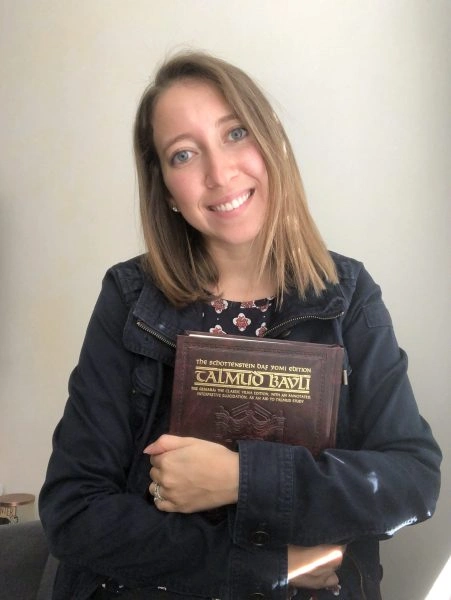
Memphis, Tennessee, United States
I started learning Daf Yomi in January 2020 after watching my grandfather, Mayer Penstein z”l, finish shas with the previous cycle. My grandfather made learning so much fun was so proud that his grandchildren wanted to join him. I was also inspired by Ilana Kurshan’s book, If All the Seas Were Ink. Two years in, I can say that it has enriched my life in so many ways.
New York, United States
I started to listen to Michelle’s podcasts four years ago. The minute I started I was hooked. I’m so excited to learn the entire Talmud, and think I will continue always. I chose the quote “while a woman is engaged in conversation she also holds the spindle”. (Megillah 14b). It reminds me of all of the amazing women I learn with every day who multi-task, think ahead and accomplish so much.

Zichron Yakov, Israel
With Rabbanit Dr. Naomi Cohen in the Women’s Talmud class, over 30 years ago. It was a “known” class and it was accepted, because of who taught. Since then I have also studied with Avigail Gross-Gelman and Dr. Gabriel Hazut for about a year). Years ago, in a shiur in my shul, I did know about Persians doing 3 things with their clothes on. They opened the shiur to woman after that!
Haifa, Israel
When I started studying Hebrew at Brown University’s Hillel, I had no idea that almost 38 years later, I’m doing Daf Yomi. My Shabbat haburah is led by Rabbanit Leah Sarna. The women are a hoot. I’m tracking the completion of each tractate by reading Ilana Kurshan’s memoir, If All the Seas Were Ink.

Pennsylvania, United States
In July, 2012 I wrote for Tablet about the first all women’s siyum at Matan in Jerusalem, with 100 women. At the time, I thought, I would like to start with the next cycle – listening to a podcast at different times of day makes it possible. It is incredible that after 10 years, so many women are so engaged!

Pittsburgh, United States

Los Angeles, United States
In my Shana bet at Migdal Oz I attended the Hadran siyum hash”as. Witnessing so many women so passionate about their Torah learning and connection to God, I knew I had to begin with the coming cycle. My wedding (June 24) was two weeks before the siyum of mesechet yoma so I went a little ahead and was able to make a speech and siyum at my kiseh kallah on my wedding day!

Givat Shmuel, Israel
Chullin 22
אוֹחֵז בָּרֹאשׁ וּבַגּוּף וּמַזֶּה, אַף כָּאן אוֹחֵז בְּרֹאשׁ וּבַגּוּף וּמַזֶּה.
after the pinching, the priest holds [oḥez] the head and the body of the bird and sprinkles the blood on the altar, so too here, with regard to the bird burnt offering, he holds the head and the body and sprinkles the blood on the altar.
מַאי קָאָמַר? הָכִי קָאָמַר: מָה לְהַלָּן, כְּשֶׁהוּא אָחוּז הָרֹאשׁ בַּגּוּף מַזֶּה, אַף כָּאן, כְּשֶׁהוּא אָחוּז הָרֹאשׁ בַּגּוּף מַזֶּה.
The Gemara asks: What is he saying? There is no requirement with regard to a bird sin offering that the priest hold both the head and the body while sprinkling the blood. The Gemara answers that this is what he is saying: Just as there, with regard to the bird sin offering, when the head is attached [aḥuz] to the body, the priest sprinkles the blood on the altar, so too here, with regard to the bird burnt offering, when the head is attached to the body, the priest sprinkles the blood on the altar. This is what was cited above in the name of Rabbi Elazar, son of Rabbi Shimon, that one cuts a majority of two simanim in a burnt offering and not the two simanim in their entirety.
אִי מָה לְהַלָּן בְּסִימָן אֶחָד, אַף כָּאן בְּסִימָן אֶחָד? תַּלְמוּד לוֹמַר ״וְהִקְרִיבוֹ״.
The baraita continues: If so, perhaps just as there, in the sin offering, the pinching is performed with the cutting of one siman, so too here, in the burnt offering, the pinching is performed with the cutting of one siman. To counter this, the verse states: “And the priest shall bring it,” meaning that the burnt offering is sacrificed in a manner different from that of the sin offering, by cutting two simanim.
וְתַנָּא קַמָּא, וְכִי מֵאַחַר דְּנָפְקָא לַן מִ״וּמָלַק … וְהִקְטִיר״, ״וְהִקְרִיבוֹ״ לְמָה לִי?
The Gemara asks: And according to the first tanna, once we derive that both simanim of a bird burnt offering must be cut in their entirety from the verse: “And pinch off its head…and burn it on the altar,” why do I need the phrase: “And the priest shall bring it?”
אִי לָאו ״וְהִקְרִיבוֹ״, הֲוָה אָמֵינָא: מַאי ״כַּמִּשְׁפָּט״ – כְּמִשְׁפַּט חַטַּאת הָעוֹף.
The Gemara answers: If not for the verse that states: “And the priest shall bring it,” I would say: What is the meaning of “according to the ordinance” that is stated with regard to the bird burnt offering? It means according to the ordinance of the bird sin offering mentioned in that same passage, in the sense that even in the burnt offering, the priest cuts only one siman.
וְאִי מִשּׁוּם ״וּמָלַק וְהִקְטִיר״ – הֲוָה אָמֵינָא: מָה הַקְטָרָה בְּרֹאשׁוֹ שֶׁל מִזְבֵּחַ – אַף מְלִיקָה בְּרֹאשׁוֹ שֶׁל מִזְבֵּחַ.
And if you would say that one cannot suggest this interpretation due to the verse: “And pinch off its head…and burn it on the altar,” I would say that perhaps another halakha would be derived from that verse: Just as burning the offering is atop the altar, so too pinching is performed atop the altar.
הַשְׁתָּא דִּכְתַב רַחֲמָנָא ״וְהִקְרִיבוֹ״, דְּרוֹשׁ בֵּיהּ נָמֵי הָא.
Now that the Merciful One writes: “And the priest shall bring it,” indicating the distinction between the pinching of a bird burnt offering and the pinching of a bird sin offering, derive this also from the verse: “And pinch off its head…and burn it on the altar,” i.e., that the body and the head of a bird burnt offering must be completely separated.
חַטַּאת בְּהֵמָה, דְּאֵינָהּ בָּאָה אֶלָּא מִן הַחוּלִּין, מְנָלַן? אָמַר רַב חִסְדָּא, דְּאָמַר קְרָא: ״וְהִקְרִיב אַהֲרֹן אֶת פַּר הַחַטָּאת אֲשֶׁר לוֹ״ – מִשֶּׁלּוֹ, וְלֹא מִשֶּׁל צִבּוּר, וְלֹא מִשֶּׁל מַעֲשֵׂר.
§ The first tanna of the baraita derives from the analogy between the bird burnt offering and the animal sin offering that a bird burnt offering is brought only from non-sacred animals and not from an animal purchased with second-tithe money, that it is sacrificed only during the day, and that the priest sacrificing it must do so with his right hand. The Gemara asks: From where do we derive the halakha that an animal sin offering comes only from non-sacred animals? Rav Ḥisda said that the verse states: “And Aaron shall sacrifice the bull of the sin offering that is his” (Leviticus 16:6, 11), from which it is derived: The animal must come from his cattle, but not from communal property, from his cattle, but not from second-tithe property.
בַּיּוֹם – מִ״בְּיוֹם צַוֹּתוֹ״ נָפְקָא! כְּדִי נַסְבַהּ.
The Gemara objects: The halakha that the bird burnt offering is sacrificed only during the day is derived from the verse: “In the day that he commanded the children of Israel to present their offerings” (Leviticus 7:38), not from the halakha of the animal sin offering. The Gemara explains: The requirement of sacrificing the bird burnt offering during the day is not derived from the halakha of the animal sin offering, and it was cited in that list incidentally, for no reason [kedi].
יָדוֹ הַיְמָנִית – מִדְּרַבָּה בַּר בַּר חָנָה נָפְקָא, דְּאָמַר רַבָּה בַּר בַּר חָנָה אָמַר רַבִּי שִׁמְעוֹן בֶּן לָקִישׁ: כׇּל מָקוֹם שֶׁנֶּאֱמַר אֶצְבַּע אוֹ כְהוּנָּה אֵינָהּ אֶלָּא יָמִין.
The Gemara objects: The halakha that the priest performs the service with his right hand is derived from the statement of Rabba bar bar Ḥana, as Rabba bar bar Ḥana says that Rabbi Shimon ben Lakish says: Any place where the terms finger or priesthood are stated with regard to offerings, the sacrificial rites of that offering are performed only with the right hand, and in the context of the bird burnt offering the term “priest” is employed. It is therefore unnecessary to derive this halakha from the analogy to the animal sin offering.
וְאִידַּךְ, כְּהוּנָּה בָּעֲיָא אֶצְבַּע, אֶצְבַּע לָא בָּעֲיָא כְּהוּנָּה.
The Gemara responds: And the other tanna, the first tanna of the baraita, who derived that the right hand is used from the analogy to the animal sin offering based on the term “according to the ordinance,” did not derive it from the statement of Rabba bar bar Ḥana because in his opinion, in order to derive that the right hand must be used, if the verse mentions only the priesthood, it requires mention of finger for the limitation to apply. If the verse mentions only the term finger, then it does not require a mention of the priesthood as well. With regard to the bird burnt offering, the priesthood is mentioned, but the word finger is not. Therefore, the halakha must be derived from the animal sin offering.
וְתַנָּא קַמָּא וְרַבִּי אֶלְעָזָר בְּרַבִּי שִׁמְעוֹן, מִמּוּל הָעוֹרֶף מְנָא לְהוּ? גָּמְרִי מְלִיקָה מִמְּלִיקָה.
It is taught in the baraita that Rabbi Yishmael derived from the term “according to the ordinance” that is written with regard to the bird burnt offering that the pinching of the bird burnt offering is performed at the nape of the neck, as it is in a bird sin offering. The Gemara asks: And as for the first tanna and Rabbi Elazar, son of Rabbi Shimon, who derive other matters from that term, from where do they derive that pinching of the bird burnt offering is performed at the nape of the neck? The Gemara answers: They derive pinching that is written with regard to the burnt offering: “And pinch off its head” (Leviticus 1:15), from pinching that is written with regard to the sin offering: “And pinch off its head adjacent to its neck” (Leviticus 5:8).
מַתְנִי׳ כָּשֵׁר בְּתוֹרִין – פָּסוּל בִּבְנֵי יוֹנָה, כָּשֵׁר בִּבְנֵי יוֹנָה – פָּסוּל בְּתוֹרִין, תְּחִלַּת הַצִּיהוּב בָּזֶה וּבָזֶה – פָּסוּל.
MISHNA: It is written with regard to bird offerings: “He shall bring his offering of doves, or of young pigeons” (Leviticus 1:14). The age that is fit for sacrifice in doves, mature birds, is unfit for sacrifice in pigeons, immature birds;the age that is fit for sacrifice in pigeons is unfit for sacrifice in doves. At the intermediate stage of the beginning of the yellowing of its plumage (see 22b), a bird is unfit both as this, a pigeon, and as that, a dove, since it is no longer a fledgling but is not yet a mature bird.
גְּמָ׳ תָּנוּ רַבָּנַן: תּוֹרִין גְּדוֹלִים – כְּשֵׁרִים, קְטַנִּים – פְּסוּלִים; בְּנֵי יוֹנָה קְטַנִּים – כְּשֵׁרִים, גְּדוֹלִים – פְּסוּלִין. נִמְצָא כָּשֵׁר בְּתוֹרִין – פָּסוּל בִּבְנֵי יוֹנָה, כָּשֵׁר בִּבְנֵי יוֹנָה – פָּסוּל בְּתוֹרִין.
GEMARA: The Sages taught a baraita in explaining the mishna: Doves, when they are older, are fit for sacrifice; when they are younger, they are unfit. Pigeons, when they are younger, are fit for sacrifice; when they are older, they are unfit. It is found that that which is fit for sacrifice in doves is unfit for sacrifice in pigeons; that which is fit for sacrifice in pigeons is unfit for sacrifice in doves.
תָּנוּ רַבָּנַן: ״תּוֹרִים״ – גְּדוֹלִים וְלֹא קְטַנִּים, שֶׁיָּכוֹל וַהֲלֹא דִּין הוּא:
The Sages taught in a baraita with regard to the verse: “And he shall bring his offering of doves, or of young pigeons” (Leviticus 1:14), that doves are older and not younger. As one might have thought: And couldn’t this be derived through an a fortiori inference:
וּמָה בְּנֵי יוֹנָה שֶׁלֹּא הוּכְשְׁרוּ בִּגְדוֹלִים הוּכְשְׁרוּ בִּקְטַנִּים, תּוֹרִים שֶׁהוּכְשְׁרוּ בִּגְדוֹלִים אֵינוֹ דִּין שֶׁהוּכְשְׁרוּ בִּקְטַנִּים? תַּלְמוּד לוֹמַר: ״תּוֹרִים״ – גְּדוֹלִים וְלֹא קְטַנִּים.
If pigeons, which were not deemed fit when older, were deemed fit when younger, as the term “young pigeons” indicates that they are young, then with regard to doves, which were deemed fit when older, isn’t it logical that they were deemed fit when younger? Therefore, the verse states: “Doves,” meaning older and not younger.
״בְּנֵי יוֹנָה״ – קְטַנִּים וְלֹא גְּדוֹלִים, שֶׁיָּכוֹל וַהֲלֹא דִּין הוּא: וּמָה תּוֹרִים שֶׁלֹּא הוּכְשְׁרוּ בִּקְטַנִּים – הוּכְשְׁרוּ בִּגְדוֹלִים, בְּנֵי יוֹנָה שֶׁהוּכְשְׁרוּ בִּקְטַנִּים – אֵינוֹ דִּין שֶׁהוּכְשְׁרוּ בִּגְדוֹלִים? תַּלְמוּד לוֹמַר ״בְּנֵי יוֹנָה״ – קְטַנִּים וְלֹא גְּדוֹלִים.
The baraita continues: Young pigeons must be younger and not older, as one might have thought: And couldn’t this be derived through an a fortiori inference: If doves, which were not deemed fit when younger, were deemed fit when older, then with regard to pigeons, which were deemed fit when younger, isn’t it logical that they were deemed fit when older? Therefore, the verse states: “Young pigeons,” meaning younger and not older.
מַאי תַּלְמוּדָא? אָמַר רָבָא: לָא לִישְׁתְּמִיט קְרָא וְלִכְתּוֹב ״מִן בְּנֵי הַתּוֹרִים אוֹ מִן הַיּוֹנָה״.
The Gemara asks: What is the biblical derivation of these matters? Rava said: It is derived from the fact that it is not found that the verse would deviate from the norm and write: Of young doves, or of pigeons; rather, the wording in the Torah is always “of doves” or “of young pigeons.” Evidently, doves must be older and pigeons must be younger.
אֵימָא: בְּנֵי יוֹנָה דִּכְתַב בְּהוּ רַחֲמָנָא ״בְּנֵי״ – קְטַנִּים אִין, גְּדוֹלִים לָא, תּוֹרִים – אִי בָּעֵי גְּדוֹלִים לַיְיתֵי, אִי בָּעֵי קְטַנִּים לַיְיתֵי! דֻּמְיָא דִּבְנֵי יוֹנָה: מָה בְּנֵי יוֹנָה – קְטַנִּים אִין, גְּדוֹלִים לָא, אַף תּוֹרִים – גְּדוֹלִים אִין, קְטַנִּים לָא.
The Gemara objects: Say instead that with regard to pigeons, since the Merciful One writes: “Young,” this means younger birds, yes, older birds, no; but with regard to doves, if one wishes, let him bring older birds, and if he wishes, let him bring younger birds. The Gemara responds: Since doves and pigeons are always juxtaposed to one another in the Torah, it is derived that the halakha of doves is similar to the halakha of pigeons: Just as with regard to pigeons the halakha is younger birds, yes, older birds, no, so too with regard to doves, the halakha is older birds, yes, younger birds, no.
תָּנוּ רַבָּנַן: יָכוֹל יְהוּ כׇּל הַתּוֹרִים וְכׇל בְּנֵי הַיּוֹנָה כְּשֵׁרִים? תַּלְמוּד לוֹמַר: ״מִן הַתּוֹרִים״ – וְלֹא כׇּל הַתּוֹרִים, ״מִן בְּנֵי הַיּוֹנָה״ – וְלֹא כׇּל בְּנֵי יוֹנָה, פְּרָט לִתְחִילַּת הַצִּיהוּב שֶׁבָּזֶה וְשֶׁבָּזֶה שֶׁפָּסוּל. מֵאֵימָתַי הַתּוֹרִים כְּשֵׁרִים – מִשֶּׁיַּזְהִיבוּ, מֵאֵימָתַי בְּנֵי יוֹנָה פְּסוּלִין – מִשֶּׁיַּצְהִיבוּ.
The Sages taught in a baraita: One might have thought that all the older doves or all the younger pigeons would be fit for sacrifice; therefore, the verse states: “Of doves,” and not all doves; “of young pigeons,” and not all young pigeons. This serves to exclude birds at the beginning of the yellowing of their neck plumage, which are unfit as this, doves, and as that, pigeons. They are unfit as doves because they are not sufficiently old and as pigeons because they are no longer young. The tanna elaborates: From when are the doves fit? It is from when the color of their feathers turns a glistening gold. From when are the pigeons unfit? It is from when their feathers turn yellow.
תָּנֵי יַעֲקֹב קָרְחָה: מֵאֵימָתַי בְּנֵי יוֹנָה כְּשֵׁרִים? מִשֶּׁיְּעַלְעוּ. הוּא תָנֵי לַהּ וְהוּא אָמַר לַהּ, ״אֶפְרוֹחָיו יְעַלְעוּ דָם״. אֵימַת? אָמַר אַבָּיֵי: מִכִּי שָׁמֵיט גַּדְפָּא מִינֵיהּ וְאָתֵי דְּמָא.
Ya’akov Korḥa taught a baraita: From when are pigeons fit? It is from when ye’alu. He teaches the baraita and he states its explanation: The reference is to that which is stated: “Its fledglings will suck up [ye’alu] blood” (Job 39:30). When is that? Abaye said: It is from the stage when one plucks a feather from it and blood emerges.
בָּעֵי רַבִּי זֵירָא: הָאוֹמֵר ״הֲרֵי עָלַי עוֹלָה מִן הַתּוֹרִים אוֹ מִן בְּנֵי הַיּוֹנָה״, וְהֵבִיא תְּחִלַּת הַצִּיהוּב שֶׁבָּזֶה וְשֶׁבָּזֶה, מַהוּ? סְפֵיקָא הָוֵי וְנָפֵיק, אוֹ דִילְמָא בְּרִיָּה הָוֵי וְלָא נָפֵיק?
§ Rabbi Zeira raises a dilemma: With regard to one who says: It is incumbent upon me to bring a burnt offering of doves or of pigeons, and he brought birds at the beginning of the yellowing of their neck plumage of this, doves, and of that, pigeons, what is the halakha? Is it a case of uncertainty whether it is considered older or younger, and therefore when he brings both he fulfills his obligation, as one of the birds was fit for sacrifice; or perhaps a bird at the beginning of the yellowing is an entity in and of itself and is neither older nor younger, and he does not fulfill his obligation?
אָמַר רָבָא, תָּא שְׁמַע: פְּרָט לִתְחִילַּת הַצִּיהוּב שֶׁבָּזֶה וְשֶׁבָּזֶה, שֶׁפָּסוּל. אִי אָמְרַתְּ בִּשְׁלָמָא בְּרִיָּה הָוֵי – שַׁפִּיר, אֶלָּא אִי אָמְרַתְּ סְפֵיקָא הָוֵי, אִיצְטְרִיךְ קְרָא לְמַעוֹטֵי סְפֵיקָא?
Rava said: Come and hear proof from the baraita where it is taught that the verse: “Of doves or of young pigeons,” serves to exclude birds at the beginning of the yellowing of their neck plumage that are unfit as this, doves, and as that, pigeons. Granted, if you say that a bird at that stage is an entity in and of itself, that works out well, as the verse serves to ensure that a bird at that stage of development will never be sacrificed. But if you say that it is a case of uncertainty, was it necessary for the verse to exclude a case of uncertainty?

